


Perforated Panels
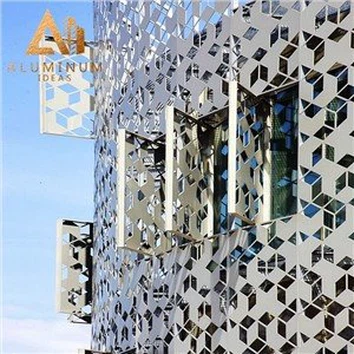
Perforated panels are metal sheets or panels that have been stamped or cut with a pattern of small holes or slits. The holes can be arranged in different patterns and sizes to achieve different aesthetic and functional effects. Perforated panels are commonly used in architecture and construction as decorative screens, ceilings, facades, or cladding, as well as in industrial and engineering applications as filters, acoustic barriers, or ventilation panels.
Advantages of Perforated Panels
Improved Air Flow
Perforated panels allow for improved air flow, which can be beneficial in a variety of applications. For example, in hvac systems, perforated panels can help to distribute air more evenly throughout a building, resulting in improved indoor air quality and energy efficiency.
Noise Reduction
Perforated panels can also help to reduce noise levels in a variety of settings. By allowing sound waves to pass through the holes, rather than reflecting them back into the environment, perforated panels can help to reduce noise levels in buildings, industrial settings, and other environments.
Improved Aesthetics
Perforated panels can be designed to be visually appealing, with patterns and designs that can enhance the appearance of a building or product. They can also be customized to meet specific design requirements, such as color, material, and size.
Durability
Perforated panels are typically made from durable materials, such as metal or plastic, which can withstand harsh environments and heavy use. They are also resistant to corrosion, rust, and other forms of damage, which can extend their lifespan and reduce maintenance costs.




why choose us
High quality
Our products are manufactured or executed to very high standards, using the finest materials and manufacturing processes.
Rich experience
Dedicated to strict quality control and attentive customer service, our experienced staff is always available to discuss your requirements and ensure complete customer satisfaction.
Quality control
We have professional personnel to monitor the production process, inspect the products and ensure that the final product meets the required quality level standards, guidelines and specifications.
24h online service
We try and respond to all concerns within 24 hours and our teams are always at your disposal in case of any emergencies.
Metal Perforated Panels
This type of panel is made of metal sheets with holes punched in different patterns. Metal perforated panels are used in decorative and functional applications. They can be made of aluminum, stainless steel, brass, copper, and other metals.
Plastic Perforated Panels
Plastic perforated panels are lightweight, durable, and weather-resistant. They are commonly used in air ventilation systems, building facades, and filtration applications.
Wood Perforated Panels
Wood perforated panels are used in interior design applications such as acoustical walls and ceilings. They offer a warm and natural look compared to other materials.
Ceramic Perforated Panels
Ceramic perforated panels are highly durable, fire-resistant, and aesthetically pleasing. They are used in exterior cladding systems, facades, and building enclosures.
Glass Perforated Panels
Glass perforated panels are used in building facades and interior design applications. They offer a modern and elegant look, and are available in different patterns and colors.

Material of Perforated Panels
Perforated panels can be made from a variety of materials including aluminum, steel, stainless steel, galvanized steel, and more. Each material has its own unique characteristics, such as durability, resistance to corrosion and weathering, and overall strength. Aluminum is lightweight and easy to work with, making it a popular choice for many applications. Steel is stronger, but heavier, and can be ideal for high-traffic areas or where greater security is needed.
Application of Perforated Panels

Acoustic Insulation
Air Flow Control
Privacy Screening
Sun Shading
Decorative Features
Signage
Process of Perforated Panels
Material Selection
The first step in making perforated panels is to select the appropriate material. The material can be metal, plastic, or any other suitable material depending on the application. The thickness and quality of the material are also important factors to consider.
Design And Pattern Creation
Once the material is selected, the next step is to create a design for the perforated panel. This is done using specialized software that allows the designer to create complex patterns with precision. The desired pattern is created on the computer, and all the necessary measurements and dimensions are included.
Perforation Process
After the design is created, the perforation process begins. This involves punching or drilling holes into the material using specialized machinery. The machine is programmed to follow the design pattern, and the holes are punched out in the desired configuration. The size and shape of the holes can be customized according to the requirements of the application.
Finishing
After the perforation process is completed, the panel is ready for finishing. Depending on the material and the application, the panel may be painted, powder-coated, or anodized. The finishing process adds durability and improves the appearance of the perforated panel.
Fabrication And Installation
The final step involves fabrication and installation of the perforated panel. The panel is cut to the required size and shape and then installed in the proper location. It is important to ensure that the panel is securely fastened and that the installation is properly sealed to prevent any moisture or dust from entering.
Components of Perforated Panels


Base Material
The base material of a perforated panel can be made from a variety of metals, such as steel, aluminum, brass, and copper. Non-metallic materials like plastic and wood are also used in some cases. The choice of base material depends on factors like strength, durability, corrosion resistance, and aesthetics.
Hole Pattern
The holes in a perforated panel can be arranged in different patterns, such as round, square, hexagonal, diamond, and slotted. The spacing between the holes and the size of each hole can also vary. The hole pattern is chosen based on factors like the amount of airflow or light transmission needed, the desired aesthetic effect, and the strength and stability of the panel.
Thickness
The thickness of a perforated panel can vary depending on the intended use. Thicker panels are generally stronger and more durable, but they may also be heavier and more expensive. Thinner panels may be more lightweight and cost-effective, but they may be less robust and have a shorter lifespan.
Finish
The finish of a perforated panel can be customized to achieve a desired look or functional purpose. Common finishes include powder coating, anodizing, painting, and polishing. These finishes can help to improve the corrosion resistance, color, texture, and reflectivity of the panel.
Edge Conditions
The edges of a perforated panel can be left raw or finished in different ways. Common edge conditions include straight-cut, hemmed, and folded. These edge conditions can affect the strength, stability, and appearance of the panel.
Regular Cleaning
The first step to maintaining perforated panels is to clean them regularly. Use a soft-bristled brush or a clean cloth to remove dust and dirt from the surface of the panels. Avoid using abrasive brushes or harsh chemicals that can damage the surface of the panels.
Inspect For Damage
Check the perforated panels frequently for any signs of damage or corrosion. Look for any cracks, chips, or dents and address them promptly. Damage to the panels can lead to a reduction in their performance and aesthetics.
Avoid moisture
Perforated panels should be kept dry at all times as moisture can cause corrosion and damage to the panels. In areas with high humidity levels, it is important to install adequate ventilation to prevent moisture buildup.
Protect from impact
Perforated panels can be damaged easily from accidental impacts, so it is important to protect them from physical contact. Avoid hanging objects from the panels or using them as support structures.
Engage a professional
Occasionally, perforated panels may require complex maintenance or repair work. If you encounter any issues, it is recommended to engage a professional to address the issue and ensure the panels are performing optimally.
Material
The choice of material should depend on the application. Some common materials include stainless steel, carbon steel, aluminum, and copper. The material chosen should be able to withstand the intended use and environment.
Hole Size
The hole size in the perforated plate is an important factor in determining the performance of the plate. The diameter, shape, and spacing of the holes should be chosen to suit the application. The size of the holes can also affect the flow rate and pressure drop.
Thickness
The thickness of the perforated plate should be chosen based on its intended use. A thinner plate may be suitable for lighter applications, while a thicker plate may be needed for heavy-duty applications.

01
Pattern
The pattern of the perforation can be important for aesthetic purposes as well as performance. There are various patterns available, such as staggered, straight, or diagonal.
02
End Use
The intended use of the perforated plate should also be considered. Will it be used for filtration, ventilation, or decorative purposes? The end use may dictate the size, thickness, material, and pattern of the plate.
03
Environment
The environment in which the perforated plate will be used should also be taken into account. Will it be exposed to high temperatures, humidity, or corrosive elements? The material chosen should be able to withstand the specific environmental factors.
04
Cost
Finally, the cost of the perforated plate may also be a factor. The chosen plate should offer a balance between quality and affordability for the specific application.
The open area percentage of a perforated plate refers to the amount of open space present in the plate. This is determined by the size and spacing of the holes punched in the plate. A higher open area percentage means more open space and less solid material in the plate. The open area percentage is important in determining the plate's permeability and flow characteristics, as well as its structural strength. It is commonly used in the design and selection of perforated plates for various applications, such as filtration, ventilation, and acoustic control.
How do you Determine the Hole Size and Spacing for a Perforated Plate
Start by determining the specific needs of the application for which the perforated plate will be used. For instance, the plate may be used to filter or screen materials, or it may be utilized for decorative purposes. The application will dictate the type of perforation required, which will inform decisions about hole size and spacing.
The material being perforated will affect the hole size and spacing. Different materials, such as metals, plastics, or fibers, will have different physical properties that determine how they will interact with the perforated plate. For example, a brittle material may require smaller holes and closer spacing to avoid damage.
The level of porosity or percentage of open area required will determine the hole size and spacing. The porosity level affects the amount of fluid or air that can pass through the perforated plate, indicating the size of the holes and the spacing between them.
Determine the hole size required based on the application and the desired level of porosity. The hole size is usually based on the diameter of the hole, and it can be calculated using the pitch or spacing between the perforations. The hole size is inversely proportional to the pitch, meaning that as the spacing between holes increases, the hole size will have to decrease to maintain the required porosity level.
The spacing or pitch of the holes will depend on the size of the holes and the level of porosity required. By determining the hole size first, you can calculate the necessary spacing to achieve the desired porosity level. The spacing is typically expressed as a distance between centers of the holes.
Determine The Location
Decide on the location for installing the perforated panels. Measure the space and make sure that it is large enough to accommodate the panels. Consider the aesthetic and functional requirements of your space and select a location that aligns with your design goals.
Prepare The Surface
Prepare the surface on which the perforated panels will be installed. Clean the surface thoroughly to remove any dirt, dust, or debris. Apply a layer of adhesive or screws to the surface, depending on the type of installation method you will be using.
Assemble The Panels
Assemble the perforated panels according to the manufacturer's instructions. Stack the panels together and secure them in place using screws or brackets. Make sure that the panels are properly aligned and that there are no gaps or voids that could compromise the aesthetic or functionality of the installation.
Install The Panels
Install the perforated panels on the prepared surface. Apply a layer of adhesive or screws to the surface and secure the panels in place. Make sure that the panels are level and that there are no gaps or voids between the panels.
Things to Note When Using Perforated Panels
Aesthetic Considerations
Perforated panels can significantly impact the aesthetic of a space. Consider the desired aesthetic of your space and select a perforated panel that aligns with your design goals.
Functional Considerations
Perforated panels can provide various functional benefits, such as acoustic absorption, ventilation, and light diffusion. Consider the functional requirements of your space and select a perforated panel that provides the necessary benefits.
Installation Considerations
The installation of perforated panels can vary depending on the type of installation method you will be using. Consider the type of installation method you will be using (e.G., adhesive, screws, clips) and follow the manufacturer's instructions for proper installation.
Maintenance And Care
Regular maintenance and care are essential for ensuring the longevity and continued performance of perforated panels. Consider the maintenance and care requirements of your specific panel and follow the manufacturer's recommendations for cleaning and upkeep.
Certifications

Our Factory
was established in 2010 in Foshan city. Scale of the factory: covers an area of 100,000 square meters, annual production capability is more than 1,200,000 square meters.

FAQ
Q: What are perforated panels used for?
Q: What materials are commonly used for perforated panels?
Q: What are the benefits of using perforated panels?
Q: What industries commonly use perforated panels?
Q: What types of patterns are available for perforated panels?
Q: Can perforated panels be customized to meet specific design requirements?
Q: How are perforated panels manufactured?
Q: What sizes and thicknesses are perforated panels available in?
Q: How strong are perforated panels?
Q: Can perforated panels be installed outdoors?
Q: How are perforated panels installed?
Q: Are perforated panels suitable for soundproofing?
Q: Are perforated panels fire-resistant?
Q: How do perforated panels compare to other materials for acoustic absorption?
Q: What maintenance is required for perforated panels?
Q: What is the cost of perforated panels?
Q: Are perforated panels environmentally friendly?
Q: Can perforated panels be painted or finished?
Q: What is the lead time for producing custom perforated panels?
Q: Can perforated panels be used for aesthetic purposes?
We're well-known as one of the leading perforated panels manufacturers and suppliers in China. Please feel free to wholesale perforated panels for sale here from our factory. All customized products are with high quality and competitive price.
Gold anodized aluminum plate, Composite aluminum cladding, Fireproof Aluminum Composite Panel