


Aluminum Ceiling
An aluminum ceiling is a type of ceiling made of aluminum panels that can be installed on both commercial and residential buildings. These panels are often lightweight and durable, making them an excellent choice for ceilings in high-traffic areas such as airports, offices, hospitals, and malls. Aluminum ceilings may come in various sizes, designs, and finishes to match different requirements and preferences.
Advantages of Aluminum Ceiling
Easy Maintenance
Aluminum ceilings are easy to clean and maintain, as they do not require frequent dusting or cleaning. This makes them ideal for busy commercial spaces, such as offices, restaurants, and hotels.
Lightweight
Compared to other types of ceilings, aluminum ceilings are lightweight, making them easier to install and handle. This also reduces the overall weight of the building, which can have cost savings for the foundation and structure.
Fire-resistance
Aluminum ceilings are fire-resistant, making them safe for use in buildings that require high levels of fire safety. This also reduces the risk of fire hazards, which could be a threat to people’s lives and property.
Aesthetic Appeal
Aluminum ceilings offer a great variety of customizable design options, such as colors, textures, and patterns. This allows designers and architects to create unique ceiling designs that complement the overall style of the building.




why choose us
High quality
Our products are manufactured or executed to very high standards, using the finest materials and manufacturing processes.
Rich experience
Dedicated to strict quality control and attentive customer service, our experienced staff is always available to discuss your requirements and ensure complete customer satisfaction.
Quality control
We have professional personnel to monitor the production process, inspect the products and ensure that the final product meets the required quality level standards, guidelines and specifications.
24h online service
We try and respond to all concerns within 24 hours and our teams are always at your disposal in case of any emergencies.
Our advantage

Clip-in drywall ceiling
This type of aluminum ceiling system has a clip-in structure that simplifies installation and maintenance. The panels are supported by a framing system that is attached to the underside of the ceiling. The panels are easily clipped onto the frame and can be removed without tools.

Lay on ceiling
The lay-on aluminum ceiling system is a classic style that is easy to install. This type of ceiling has a flat surface with a slight overlap, and the panels are simply laid onto the supporting structure. The panels can be removed easily for maintenance or replacement.

Hook-on ceiling
The hook-on aluminum ceiling system is a modern and decorative style. Panels are suspended from the ceiling by means of special hooks. The panels are not mechanically fixed, but are fixed in place by the hooks. The hook-on system offers a clean and smooth ceiling appearance with concealed suspension.

Baffle ceiling
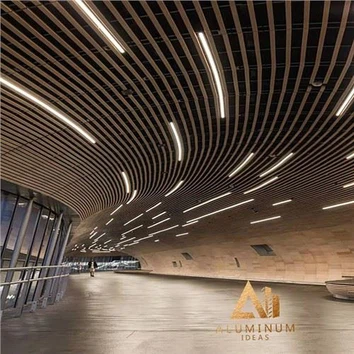
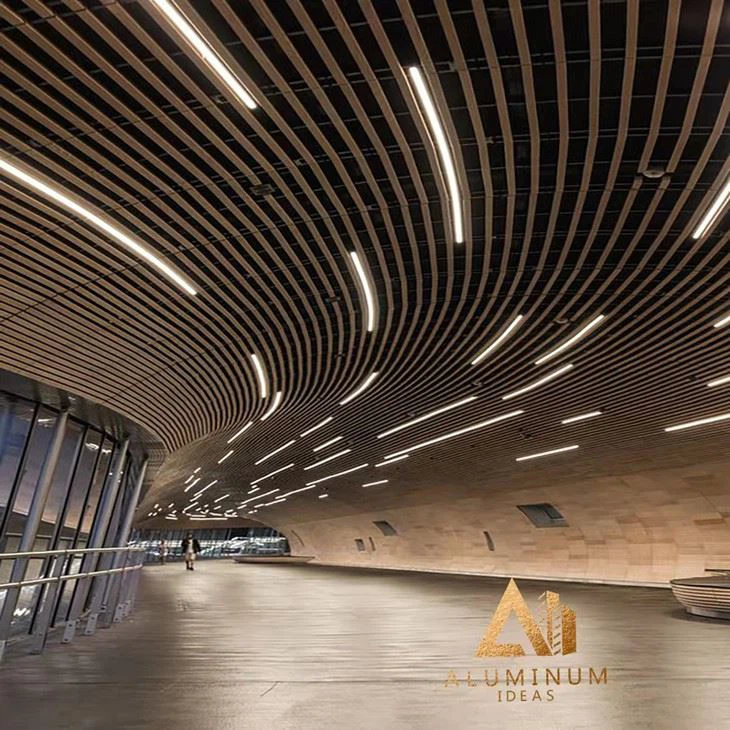
Baffle ceilings are a modern design that creates a unique, sleek look. The aluminum panels are suspended in a series of parallel lines to create a linear effect. Baffle systems are perfect for enhancing acoustics and improving sound quality in large spaces.
Material of Aluminum Ceiling
The material of aluminum ceiling refers to a type of ceiling that is made from aluminum. This material is known for its durability, lightweight, and corrosion-resistant properties. Aluminum ceilings are often used in commercial and residential projects due to their versatility and attractiveness. They come in a variety of colors, patterns, and finishes, giving designers and architects more options to choose from.
Application of Aluminum Ceiling
Offices
Aluminum ceiling is often used in offices to create a modern and professional look. It can also improve lighting and acoustics in the office space.
Retail spaces
Aluminum ceiling is commonly used in retail stores and shopping malls to create an attractive and eye-catching look. It can also be used to augment product displays and enhance the visibility of merchandise.
Hospitals and healthcare facilities
Aluminum ceiling is a hygienic option that is often used in healthcare facilities. It can be easily sanitized and is resistant to mold and mildew.
Food preparation areas
Aluminum ceiling is often used in kitchens and food preparation areas due to its resistance to humidity and heat. It is also easy to clean and maintain.
Commercial buildings
Aluminum ceiling is an excellent choice for commercial buildings like airports, train stations, and theaters due to its durability and safety features.
Residential buildings
Aluminum ceiling is becoming increasingly popular in residential buildings due to its versatility and ease of installation. It is commonly used in living rooms, bedrooms, and kitchens.
Process of Aluminum Ceiling
The first step in the manufacturing process involves designing the aluminum ceiling, followed by selecting the appropriate materials required for the construction of the ceiling. The design process takes into account the intended use of the ceiling, the environment where it will be installed, and the design preferences of the customer.
Once the design is finalized and materials are selected, the aluminum sheets are cut and shaped according to the specific requirements of the design. The cutting process is done using specialized cutting machines that ensure precision and accuracy.
After the cutting and shaping process, the aluminum sheets are polished or painted to give the ceiling a smooth, shiny appearance. A variety of finishing techniques can be used, depending on the design preferences of the customer.
To protect the aluminum ceiling from corrosion and other weathering effects, a protective coating is applied. The coating process involves spraying a thin layer with a paint gun or other specialized equipment. The coating can be in diverse colors, usually depending on customer requirements.
Components of Aluminum Ceiling
Aluminum panels
The main element of an aluminum ceiling is the panel. It is usually made of pre-painted aluminum sheets that can be perforated, embossed, or plain. The panels come in different shapes and sizes, and can be customized to suit the design requirements of the ceiling.
Suspension system
Aluminum ceiling panels are supported by a suspension system that is typically made of metal tracks or T-shaped runners. This system provides the framework for the ceiling and allows for easy installation and removal of panels.

Lighting
Aluminum ceilings can be designed to integrate lighting fixtures such as recessed lights, surface-mounted lights, or pendant lights. These fixtures can enhance the aesthetics of the ceiling and provide functional lighting to the space below.
Edge trims
Aluminum ceilings may require edge trims such as L-shaped or U-shaped profiles to finish the edges of the panels and create a neat appearance. The trims are usually made of aluminum or other metals that match the finish and color of the panels.
Dust The Ceiling Surface
Start by dusting your aluminum ceiling with a soft-bristled brush or a microfiber cloth. This will help to remove any loose dirt or debris that may have accumulated on the surface.
Wipe The Ceiling With A Damp Cloth
Use a damp cloth and a mild detergent solution to clean the ceiling, focusing on any particularly dirty or stained areas. Be sure to wipe the ceiling with gentle strokes to avoid scratching the surface.
Dry The Ceiling
After cleaning, use a clean, dry cloth to dry the aluminum ceiling. You can also use a vacuum cleaner with a dusting attachment to remove any remaining dust that may have settled on the ceiling.
Polish the ceiling
To restore the shine of the Aluminum Ceiling, use a high-quality aluminum cleaner or polish. Apply the polish using a soft cloth or sponge, and work in small sections. Buff the surface with a clean, dry cloth to remove any excess polish.
Inspect the ceiling regularly
Regularly inspect the aluminum ceiling for signs of damage, such as dents or scratches. These should be repaired immediately to prevent further damage to the surface.
Avoid harsh chemicals
Avoid using harsh chemicals or abrasive cleaners on the aluminum ceiling as this could damage the surface or remove the finish.
How is Aluminum Ceiling Installed
Measure the ceiling
Begin by measuring the length and width of the ceiling to determine the total area you need to cover.
Choose The Ceiling Tiles
Now, select the aluminum ceiling tiles that you want to use based on your desired style, size, and color options. Make sure you have enough tiles to cover the entire ceiling area.
Prepare The Surface
Before installing the tiles, ensure that the ceiling surface is smooth, clean, and free from any cracks, holes, or debris that could interfere with the installation process.
Mark The Center
Find the center of the ceiling by drawing a line perpendicular to the longest walls. Then, mark the center with a chalk or pencil.
Install The Main T-bar
Aluminum ceiling tiles come with a t-bar suspension system that provides support for the tiles. Install the main t-bar by attaching it to the ceiling using ceiling anchors and screws.
Install The Cross T-bars
Once the main t-bar is securely installed, install the cross t-bar in the same way, forming a grid pattern.
Place The Tiles
The tiles can now be placed onto the grid pattern, starting from the center and working outward. The tiles should snap into place, and any excess areas can be trimmed to fit.
Complete The Installation
Once all the tiles are in place, add the decorative border to complete the installation.
Clean The Surface
Start by cleaning the aluminum ceiling thoroughly using a degreaser and water. This will remove any dirt, grease, or other contaminants that could prevent the paint from adhering properly.
Sand The Surface
Use rough-grit sandpaper to roughen up the surface of the aluminum ceiling. This will help the paint adhere better. Be sure to wipe away any dust or debris after sanding.
Apply Primer
Apply a coat of primer to the aluminum ceiling. This will help the paint adhere better and will also help prevent any corrosion or oxidation of the aluminum.
Paint
Once the primer is dry, you can apply the paint. Use a high-quality paint designed for metal surfaces, and apply it in thin, even coats. Be sure to follow the manufacturer's instructions for drying time and re-coating.
Apply A Second Coat
Once the first coat of paint is dry, you can apply a second coat if needed. This will help ensure even coverage and a smooth finish.

Recyclable
Aluminum ceilings are made of a highly recyclable material - aluminum. As a result, aluminum ceilings can be easily recycled into new products.
Durable
Aluminum ceilings have a longer lifespan than many other types of ceilings, such as gypsum or plasterboard. This means that they need to be replaced less often, reducing waste and environmental impact.
Energy-efficient
Aluminum ceilings can help to reduce energy consumption in buildings. They reflect light well, making the most of natural light and reducing the need for artificial lighting. Additionally, aluminum ceilings can be designed with perforations to improve acoustics, reducing the need for sound insulation materials.
Low Emissions
Aluminum ceilings are manufactured with very low emissions. The production process for aluminum ceilings requires less energy and creates fewer pollutants than many other types of ceilings, such as those made from pvc.
Lightweight
Aluminum ceilings are also lightweight, meaning they require fewer resources for delivery and installation.
Material Quality
The aluminum used in the manufacture of ceilings must conform to specific quality standards. The material should be of consistent thickness, free from defects, and capable of withstanding the forces to which it will be subjected.
Size And Design
Different types of aluminum ceilings come in various sizes, shapes, and designs. The ceilings should be designed to meet the specific requirements of the project, including aesthetic considerations, acoustics, ventilation, and lighting.
Fire Resistance
Aluminum ceilings must meet specific fire-resistant standards. They must be designed to resist the spread of fire, and materials used in their construction must conform to fire safety regulations.
Soundproofing
Aluminum ceilings can help with sound attenuation. To achieve this, acoustic materials may be used in the construction of the ceiling tiles and plenums must be filled with sound-absorbing materials.
Installation standards
Aluminum ceilings should be installed by qualified professionals who understand the requirements for proper installation. The ceiling should be securely fastened to the ceiling support structure, and all fittings and fixtures must be installed correctly.
Maintenance and cleaning
Proper maintenance and cleaning of aluminum ceilings help to maintain their appearance and durability. Regular cleaning using suitable cleaning products keeps the ceiling tiles clean and free of dust and debris.
How to Choose Aluminum Ceiling
Consider The Appearance
Choose an aluminum ceiling that matches your desired aesthetic. Consider factors such as color, finish, and design. Look for a ceiling that complements the existing decor of your space and enhances its visual appeal.
Evaluate The Durability
Choose an aluminum ceiling that is durable and resistant to corrosion, wear, and tear. Look for a ceiling that is made from high-quality aluminum that is resistant to weathering and other environmental factors that could compromise its performance and lifespan.
Consider Soundproofing Properties
If you are looking for a ceiling that can help reduce noise levels, consider an aluminum ceiling with acoustic properties. Look for a ceiling that is designed to absorb sound waves and reduce noise transfer between rooms or across the ceiling.
Consider Fire Safety
Choose an aluminum ceiling that meets local fire safety codes and regulations. Look for a ceiling that is designed to prevent the spread of fire and is resistant to fire damage.
Load Matching
Ensure that the aluminum ceiling is properly matched to the load being supported. Overloading the ceiling can cause it to distort or fail, potentially leading to safety hazards. Consider the weight and dimensions of the aluminum ceiling and ensure that it is installed and supported according to local codes and regulations.
Environmental Considerations
Extreme weather conditions, such as high winds, hail, and heavy rain, can affect the performance and lifespan of aluminum ceilings. Consider the environmental conditions in which the aluminum ceiling will be used and select a material and installation method that is appropriate for the specific climate and weather conditions.
Regular Maintenance
Perform regular maintenance checks on the aluminum ceiling to ensure that it is operating correctly and efficiently. Check the ceiling for any signs of wear, damage, or deterioration, and take appropriate action to repair or replace any defective ceiling.
Manufacturer's Guidelines
Refer to the manufacturer's guidelines for operating and maintaining your specific aluminum ceiling model. Avoid performing any maintenance tasks that you are not familiar with or comfortable with.
Certifications

Our Factory
was established in 2010 in Foshan city. Scale of the factory: covers an area of 100,000 square meters, annual production capability is more than 1,200,000 square meters.

FAQ
Q: What is aluminum ceiling?
Q: What is the cost of aluminum ceiling?
Q: What are the benefits of using an aluminum ceiling?
Q: What are the common types of aluminum ceilings?
Q: How is an aluminum ceiling installed?
Q: How do I maintain an aluminum ceiling?
Q: Can an aluminum ceiling be painted?
Q: How long does an aluminum ceiling last?
Q: Is an aluminum ceiling suitable for outdoor use?
Q: Where are aluminum ceilings commonly used?
Q: What are the advantages of using an aluminum ceiling?
Q: What sizes are aluminum ceiling tiles available in?
Q: What finishes are available for aluminum ceiling tiles?
Q: What is the price range for aluminum ceilings?
Q: How are aluminum ceilings maintained?
Q: Are aluminum ceilings safe?
Q: What is the cost of aluminum ceilings?
Q: Can aluminum ceilings be painted or customized?
Q: Do aluminum ceilings require special installation techniques?
Q: Are aluminum ceilings eco-friendly?
We're well-known as one of the leading aluminum ceiling manufacturers and suppliers in China. Please feel free to wholesale aluminum ceiling for sale here from our factory. All customized products are with high quality and competitive price.
Aluminum Expanded Mesh, Black diamond sheet, decorative garden wall screen