


Aluminum Perforated Decorative Panel
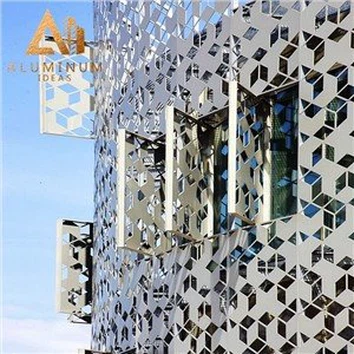
Aluminum perforated decorative panels are typically used as building facade panels, cladding, and roofing elements. The panels are made from aluminum sheets that are perforated with various shapes, sizes, and patterns. The perforations allow for the passage of air, light, and sound, and also give the panels aesthetic appeal. The decorative panels can be painted according to the client's choice of color and are perfect for use in both interior and exterior settings.
Advantages of Aluminum Perforated Decorative Panel
Durable and strong
Aluminum is a strong and lightweight material, which makes it an excellent choice for decorative paneling. It is resistant to corrosion, weathering, and impact damage, which makes it a long-lasting material.
Improved indoor air quality
Aluminum perforated decorative panel can improve the air quality inside buildings. The panels can be used to create air circulation systems, which can improve ventilation and reduce the buildup of pollutants.
Eco-friendly
luminum is a recyclable material, which makes it an eco-friendly choice for decorative paneling. It can be recycled indefinitely, without losing its original quality.
Easy maintenance
Aluminum perforated decorative panel requires very little maintenance. It can be easily cleaned with a damp cloth, and it is resistant to stains, rust, and other types of damage.




why choose us
High quality
Our products are manufactured or executed to very high standards, using the finest materials and manufacturing processes.
Rich experience
Dedicated to strict quality control and attentive customer service, our experienced staff is always available to discuss your requirements and ensure complete customer satisfaction.
Quality control
We have professional personnel to monitor the production process, inspect the products and ensure that the final product meets the required quality level standards, guidelines and specifications.
24h online service
We try and respond to all concerns within 24 hours and our teams are always at your disposal in case of any emergencies.
Types of Aluminum Perforated Decorative Panel

Standard perforated panels
These are aluminum panels that have a regular pattern of perforations evenly distributed across the panel. They are the most common type of perforated panel and are often used for window screens, security doors, and decorative partitions.

Custom perforated panels
Custom perforated panels are designed to meet the specific requirements of a project. They are made to order and can be tailored to any shape, size, or design. They are ideal for unique and complex applications like facades, sunscreens, and interior design elements.

Micro-perforated panels
These panels have small perforations with a diameter of less than 1mm. They are used primarily for acoustic insulation applications, where they reduce noise levels by absorbing sound waves. Micro-perforated panels are commonly used in concert halls, recording studios, and other sound-sensitive spaces.

Powder-coated perforated panels
Powder-coated perforated panels come with a layer of paint applied to the surface of the aluminum. The powder coating provides protection against wear, corrosion, and environmental elements while adding visual appeal to the panel. Powder-coated panels are commonly used for outdoor applications like facades, sunscreens, and louvers.
Material of Aluminum Perforated Decorative Panel
Aluminum perforated decorative panel is made of high-quality aluminum alloy material. The process involves perforating the aluminum sheet with a pattern or design using specialized machinery. The resulting panel showcases a distinctive and stylish look that is perfect for enhancing the aesthetic appeal of any space. The material is lightweight, durable, and resistant to corrosion, making it an ideal choice for both indoor and outdoor applications.
Application of Aluminum Perforated Decorative Panel
Aluminum perforated decorative panels can be used as façade cladding for buildings. These panels provide an attractive and modern appearance to the building, while also allowing light and air to pass through.
The panel can also be used for interior decoration, such as for wall and ceiling panels. The perforations can create interesting patterns and designs, adding beauty and texture to any room.
Aluminum perforated decorative panels can be used as acoustic panels in spaces that require soundproofing, such as recording studios, auditoriums, and conference rooms. The perforations can help to absorb sound waves, reducing ambient noise levels.
Aluminum perforated decorative panels can be used as sunshades and louvers to control the amount of sunlight and heat that enters a building. The perforations can help to diffuse sunlight, providing a more comfortable indoor environment.
Design
The first step is to create a design for the panel. This can be done using computer software.
Material Selection
Once the design is finalized, the next step is to select the appropriate material for the panel. Aluminum is a popular choice because it is lightweight, durable, and easy to work with.
Cutting
The aluminum sheet is cut to the desired size using a metal cutting saw.
Perforation
A pattern of holes is created in the aluminum sheet using a perforating machine. The size and spacing of the holes can be adjusted to create the desired effect.
Forming
The panel is then formed into the desired shape using a press brake. This can be a simple flat panel or a more complex three-dimensional shape.
Finishing
The panel is then finished with a coating or paint to protect it from corrosion and to enhance its appearance.
Installation
Finally, the panel is installed in its desired location using screws, clips, or other fasteners.

This is the base material for the panel and provides the structural integrity needed to hold the perforations. Typically, the sheet can range in thickness from 1mm to 3mm, depending on the application.
These are small holes made in the aluminum sheet by using a punch and die set. The size, shape, and pattern of the perforations vary depending on the design requirements.
The aluminum sheet can be coated with a variety of finishes to enhance its appearance and protect against corrosion. Some popular options include powder coating, anodizing, and painting.
The panel needs to be mounted onto a framework or support structure to hold it in place. There are several systems available, including concealed fasteners, exposed screws, and clip systems.
For larger panels or those installed in high wind areas, additional support may be needed. This can be achieved by adding reinforcing elements such as extrusions or stiffeners.
Maintenance of Aluminum Perforated Decorative Panel
Regular Cleaning: The first and foremost step in maintaining aluminum perforated decorative panels is regular cleaning. You should clean them at least once a year or more frequently if they are exposed to harsh environmental conditions. Use a mild detergent and a soft cloth or sponge to clean the panel surface. Avoid using abrasive or harsh cleaning agents that can damage the panel's finish.
Checking For Damage: It's essential to periodically inspect your aluminum perforated decorative panels for any signs of damage, such as scratches, dents, or corrosion. If you notice any damage, we suggest you contact a professional for repair or replacement.
Protecting The Surface: To protect the aluminum perforated decorative panel from scratches, it is wise to use surface or corner protectors. This will prevent accidental scratches or damage during installation, transportation, and everyday use.
Avoid Exposure To Chemicals: Avoid exposure to harsh chemicals that can damage the panel's surface finish. This includes cleaners that contain bleach, acids, and petroleum-based chemicals.
Protect From Environmental Factors: Protecting your aluminum perforated decorative panel from the weather elements is also important. It's best to avoid exposure to direct sunlight, rain, snow, and other harsh outdoor conditions. If the panel is exposed to these elements, make sure to clean it regularly and apply a protective coating to prevent fading, discoloration, or corrosion.
What are Some Important Factors to Consider When Choosing Punched Aluminum Decorative Panels


Material And Quality
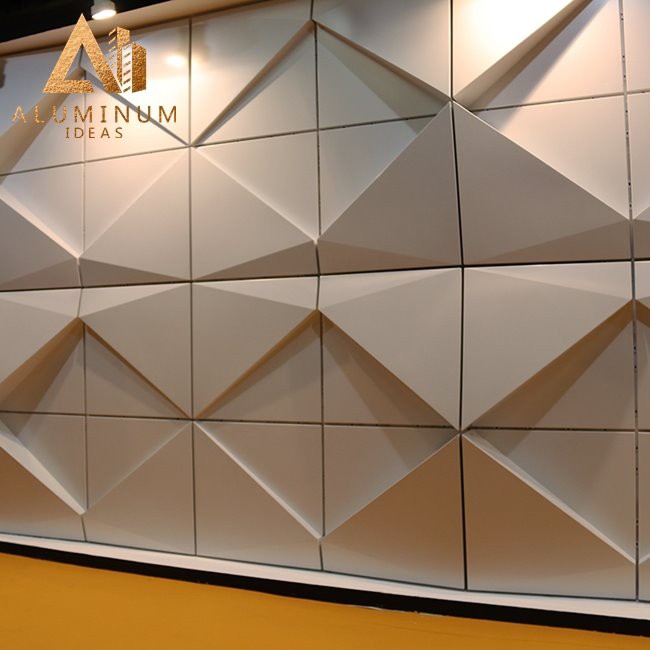
The quality of the punched aluminum decorative panels should also be assessed. It is important to choose high-quality panels that are durable and resistant to corrosion, weathering, and fading.
Functionality
Another important factor to consider is the functionality of the panels. Will the panels be used for privacy, security, or as a decorative accent? The intended function should be carefully evaluated to ensure that the chosen panels meet the required specifications.
Installation
Ease of installation is another factor to consider when choosing punched aluminum decorative panels. It is important to select panels that are easy to install and require minimal maintenance.
Cost
Cost is also an important factor to consider when choosing punched aluminum decorative panels. It is important to find panels that fit within your budget while still meeting your requirements for quality and design.
Environment
It is important to consider the environment in which the panels will be used. The climate, location, and surrounding environment should be evaluated to ensure that the chosen panels are suitable for the intended purpose.
Geometric Patterns
These can include shapes such as triangles, squares, diamonds, hexagons, circles, and more. These patterns create a modern and contemporary look that is perfect for commercial and industrial spaces.
Floral Patterns
These patterns incorporate various shapes and designs inspired by flowers and other natural elements, such as leaves and vines. They are commonly used in residential spaces, especially in traditional designs.
Abstract patterns
These are unique patterns that don't follow any particular style or pattern. They can be complete abstracts, or can include a combination of geometric shapes and lines.
Curved patterns
These patterns incorporate various curved shapes such as waves, arcs, spirals and more. They create a sense of fluidity and movement and are perfect for creating a dynamic and visually appealing space.
Custom patterns
If you have a specific pattern or shape that you want to incorporate into your panel, customized options are also available. A professional installer can create unique and intricate patterns upon request.
What are the Differences Between Perforated Aluminum Decorative Panels and Other Decorative Panels
Punched aluminum decorative panels are a type of decorative panel that is made from aluminum sheets that have been punched with decorative patterns. The perforations in the panels allow for light and air to pass through, while also creating a visually interesting design. Other decorative panels, on the other hand, can be made from a variety of materials such as wood, glass, or metal, and can feature different types of decoration such as etching, carving, or painting.
What are the Surface Treatment Methods for Perforated Aluminum Decorative Panels
Anodizing
Anodizing involves the use of electrolysis to create a protective oxide layer on the surface of the aluminum panel. This process makes the surface harder, resistant to corrosion, and enhances the color of the panel.
Painting
Painting involves the use of different paints and coatings that are sprayed, rolled, or brushed on the surface of the aluminum panel. This process improves the aesthetic appeal of the panel and provides protection against corrosion and other environmental elements.

Powder Coating
Powder coating is a process that involves the application of a dry powder on the surface of the aluminum panel. The powder is then cured in an oven to bond it to the surface of the panel. Powder coating provides a durable, scratch-resistant, and attractive finish.
Polishing
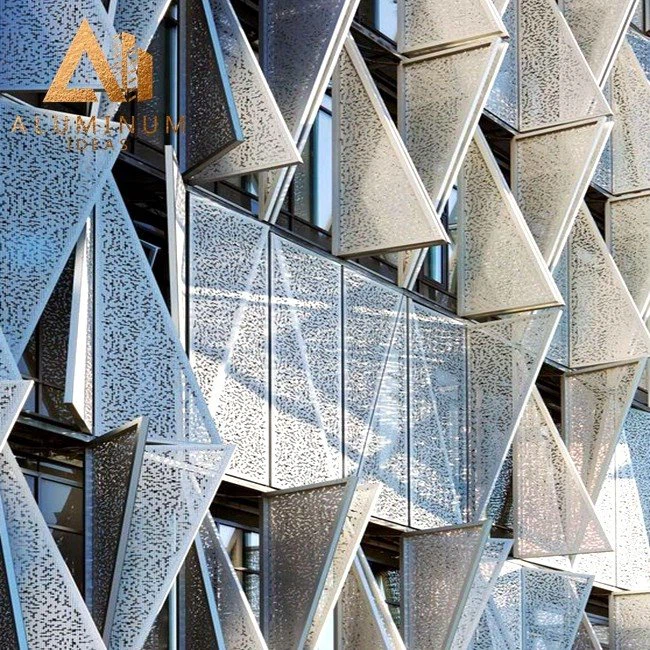
Polishing involves the use of abrasives to remove scratches, blemishes, and other imperfections from the surface of the aluminum panel. This process improves the surface finish and provides a reflective and attractive appearance.
Size Of The Panel
Determine the size of the perforated panel you need. Consider the area you want to cover, the amount of perforation you need, and any cut-outs or custom shapes you require.
Pattern/design Of The Panel
Choose the pattern or design that best suits your project. There are various patterns available, from simple geometric designs to intricate designs. Choose a pattern that complements your overall design and style.
Material Of The Panel
Choose the right material of the aluminum perforated decorative panel. Consider the durability, strength, and corrosion resistance of the material. Aluminum is a popular choice for its strength and corrosion resistance.
Finishing
Choose the type of finishing that complements your design. Finishes such as powder coating, anodized, and painted are options to consider depending on your desired outcome.
Cost
Determine the budget for your project and select the aluminum perforated decorative panel that best fits within that budget.
How to Install Aluminum Perforated Decorative Panel
Determine The Location
Choose a location that is suitable for installing the aluminum perforated decorative panel. Consider factors such as the orientation of the building, the available space, and the desired aesthetic.
Prepare The Surface
Before installing the aluminum perforated decorative panel, prepare the surface by cleaning it and removing any dirt, debris, or paint. If necessary, apply a primer or paint to enhance the adhesion of the panel to the surface.
Install The Panel
Follow the manufacturer's instructions for installing the aluminum perforated decorative panel. Typically, this involves attaching the panel to the wall or building facade using screws or other fasteners.
Verify The Installation
Once the aluminum perforated decorative panel is installed, verify that it is properly installed and functioning correctly. Check that the panel is securely attached to the surface and that it is free from any defects or damage.
Things to Note When Using Aluminum Perforated Decorative Panel
Load Matching
Ensure that the aluminum perforated decorative panels are properly matched to the load being supported. Overloading the panels can cause them to distort or fail, potentially leading to safety hazards. Consider the weight and dimensions of the panels and ensure that they are installed and supported according to local codes and regulations.
Environmental Considerations
Extreme weather conditions, such as high winds, hail, and heavy rain, can affect the performance and lifespan of aluminum perforated decorative panels. Consider the environmental conditions in which the panels will be used and select a material and installation method that is appropriate for the specific climate and weather conditions.
Regular Maintenance
Perform regular maintenance checks on the aluminum perforated decorative panels to ensure that they are operating correctly and efficiently. Check the panels for any signs of wear, damage, or deterioration, and take appropriate action to repair or replace any defective panels.
Manufacturer's Guidelines
Refer to the manufacturer's guidelines for operating and maintaining your specific aluminum perforated decorative panel model. Avoid performing any maintenance tasks that you are not familiar with or comfortable with.
Certifications

Our Factory
was established in 2010 in Foshan city. Scale of the factory: covers an area of 100,000 square meters, annual production capability is more than 1,200,000 square meters.

FAQ
Q: What is an aluminum perforated decorative panel?
Q: What are the benefits of using an aluminum perforated decorative panel?
Q: What types of designs are available for aluminum perforated decorative panels?
Q: What are aluminum perforated decorative panels?
Q: How are aluminum perforated decorative panels made?
Q: What kind of designs can be created with aluminum perforated decorative panels?
Q: What are some common applications for aluminum perforated decorative panels?
Q: What factors should be considered when choosing aluminum perforated decorative panels?
Q: Where can I purchase aluminum perforated decorative panels?
Q: What maintenance is required for aluminum perforated decorative panels?
Q: What materials are used to produce aluminum perforated decorative panels?
Q: What are aluminum perforated decorative panels used for?
Q: How do I maintain aluminum perforated decorative panels?
Q: Can aluminum perforated decorative panels be customized?
Q: How are aluminum perforated decorative panels installed?
Q: What are some common uses for aluminum perforated decorative panels?
Q: What are the advantages of using aluminum perforated decorative panels?
Q: How do I clean and maintain aluminum perforated decorative panels?
Q: How are aluminum perforated decorative panels installed?
Q: What materials are available for aluminum perforated decorative panels?
We're well-known as one of the leading aluminum perforated decorative panel manufacturers and suppliers in China. Please feel free to wholesale aluminum perforated decorative panel for sale here from our factory. All customized products are with high quality and competitive price.
Decorative Pool Screens, Aluminum 3D Cladding Panel For Curtain Wall, Cast Aluminum Fence Panels